
Dear Colleagues,
Scientists have been striving to sound the alarm over greenhouse gases, especially CO2 in the atmosphere. From what I can tell, climate change has impacted the water cycle, somehow causing more evaporation and more rain events.
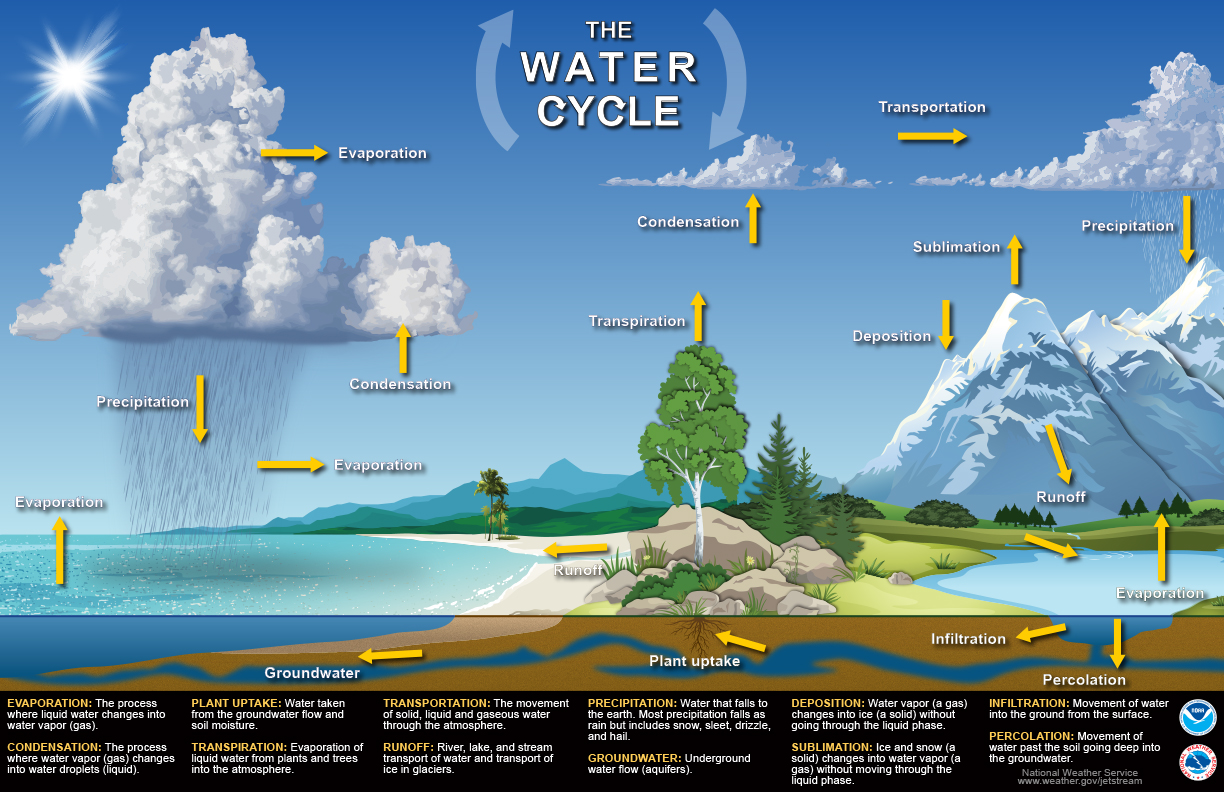
(Cycle by NOAA)
In areas surrounding Desert areas, desertification occurs more readily and spreads more quickly. As global temperatures rise, the ice caps are melting. This causes sea-level rise, affecting our coastal areas, especially our cities. Variability in weather and climate affects farmers and agriculture as instability sets in.
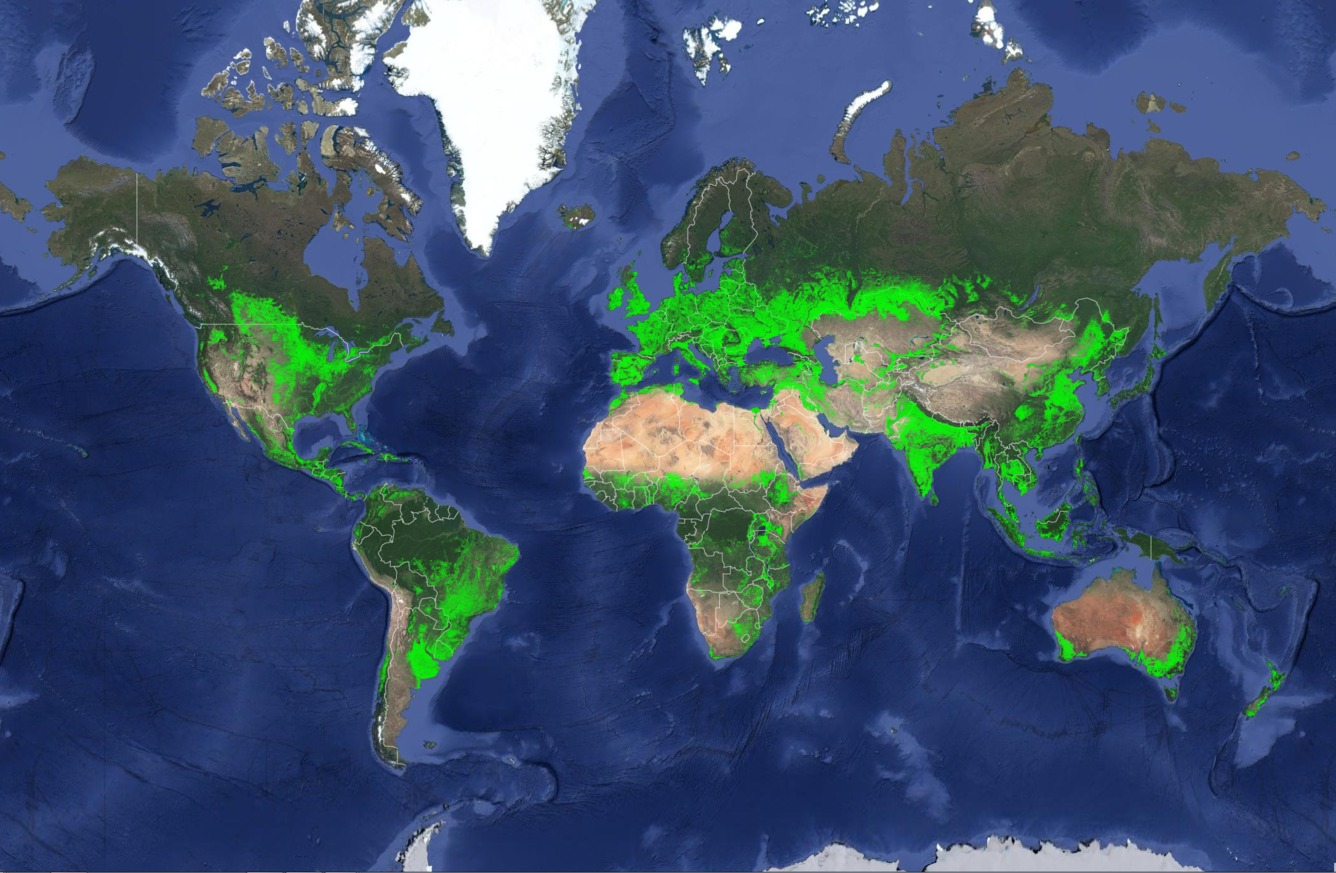
(Map by USGS)
Apparently, climate change affects ocean currents, which could also affect the weather. Is everything on earth interrelated? From atmospheric systems to ocean systems, etc., in geography, you learn about the atmosphere, lithosphere, hydrosphere, and biosphere. We must understand the impact of climate change on our world and our systems. The problem, once again, is industrial earth, Kings, castles, and kingdoms, and all the infinite variability of hierarchical structures. Most recently, the war against science has come from political structures that seem make decisions without understanding the problem in the first place. However, our election system is flawed because it allows people who don’t know as much about climate change to vote for people who don’t care. I’m not blaming the voters, as they were played by the global Earth, King’s castles-and-kingdoms rhetoric. Just because the cumulative impact is too difficult to explain does not mean we shouldn’t do something about it. I suggest prioritizing the We-Me Explorers cycle community on Earth. We ought to share a map of priorities to be addressed. Coal plants need to be closed unless there’s some way to mitigate the CO2. Coal plants also emit nitrogen oxides and sulfur dioxide, which cause acid rain and affect our water supplies.
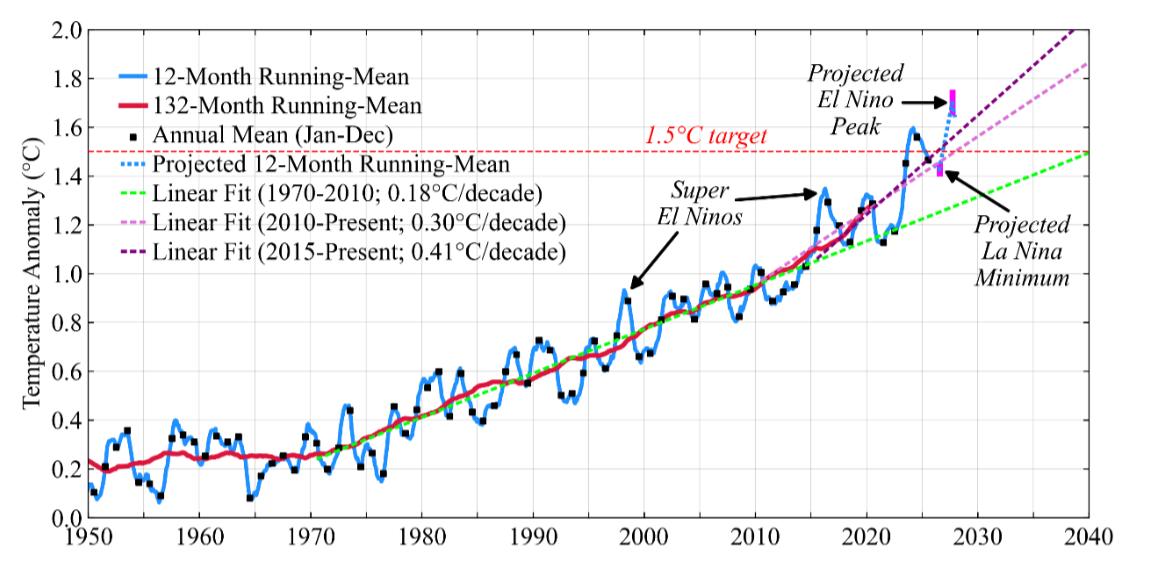
(Chart by Dr. James E. Hanson)
Consequently, once we get everyone involved in the We-Me Explorers cycle, we can all contribute our hypotheses, observations, patterns, and everything else, including opportunities to transition to sensible renewables. However, in many of these situations, an impact assessment is needed. Moreover, I created an Earth ethic concept of natural Earth striving, whereby we strive to live closer to nature, beyond what industrial Earth Kings, castles, and kingdoms taught us. Trump must be privy to what I’m writing because he created a prioritization map of planet Earth the other day. However, it had nothing to do with climate change or children suffering around the world. Consequently, I propose reversing Earth’s industrialization, reducing extreme functioning, and minimizing the influence of kings, castles, and kingdoms on our desired future. However, I’ve noticed a pattern. It seems some of them are learning from people suffering in survival zones. Therefore, they can make their politics look more appealing once they get educated. For the rest of us, it’s nothing but a roller coaster ride of extraction, exchange, and exclusion as the Kings’ castles and kingdoms in industrial Earth take everything they can from the people on Earth. We need to transition from man-centered systems to more natural, earth-striving endeavors. We need to transition our economy from an industrial, earth, Kings, castles, and kingdoms economy to a people-and-nature economy. Consequently, this will minimize the impacts on our planet, people, and natural environment. Knowing that my suggestions don’t matter much in an industrial Earth King’s castle kingdom. I’m still going to suggest transitioning to a Unidiversity Research Explorers cycle community for everyone, for everything, for everyone on earth. Nobody does it better than each of us and all of us together. World without end…
The scientific community has consistently underscored the escalating urgency of our planet’s climate crisis, driven predominantly by the persistent accumulation of greenhouse gases, particularly carbon dioxide, in our atmosphere. The profound implications of this phenomenon are now undeniably manifesting across all Earth systems, demanding our immediate and concerted attention.
We observe direct evidence of climate change in the dramatic alteration of the global water cycle. Intensified evaporation leads to more severe droughts in some regions, while simultaneously fueling more extreme precipitation events and flooding elsewhere. This disruption accelerates desertification, transforming once-fertile lands into barren expanses. Concurrently, rising global temperatures are rapidly melting our polar ice caps and glaciers, leading to an undeniable rise in sea levels that imperils coastal communities and major urban centers worldwide. The ripple effects extend to our agricultural systems, where increased weather variability and climatic instability pose significant threats to food security. Furthermore, even the vast ocean currents, which regulate global weather patterns, are showing signs of disruption, portending unpredictable shifts in regional climates. The intricate interconnectedness of our atmosphere, lithosphere, hydrosphere, and biosphere dictates that a disturbance in one system invariably cascades through the others, creating a complex web of environmental and societal challenges.
A significant hurdle in addressing this crisis stems from a prevailing industrial paradigm that, for too long, has prioritized unrestrained growth and short-term gains over ecological stewardship and long-term sustainability. This “industrial Earth” model, often characterized by concentrated power structures and a detachment from natural limits, has contributed to a concerning disregard for scientific consensus. We have witnessed how political discourse, influenced by vested interests, can undermine public understanding and obstruct evidence-based policy, creating a disquieting “war against science.” The systemic flaws that allow such inertia to persist prevent the rapid, decisive action necessary to safeguard our shared future.
However, the immense complexity of these challenges should not deter us. Instead, it must galvanize us to forge new pathways forward. I propose a fundamental shift in our approach, embracing an “Earth Ethic” centered on “Natural Earth Striving.” This concept encourages us to consciously reorient human systems towards living in closer harmony with natural processes, moving beyond the extractive and exploitative tendencies of the past. It envisions an economy not driven solely by industrial output, but by the well-being of people and nature.
To translate this vision into tangible action, I advocate for a collaborative and data-driven prioritization framework. We need to systematically identify and address the most impactful contributors to environmental degradation. For instance, the immediate phase-out or comprehensive mitigation of emissions from coal-fired power plants is non-negotiable, not only for their CO2 output but also for their significant contribution of nitrogen oxides and sulfur dioxide, which cause acid rain and devastate forests and water supplies. This is just one example of a critical step in a broader transition to sensible, renewable energy sources. Such transitions, however, must be underpinned by rigorous or broad based impact assessments to ensure equitable and effective implementation.
To foster this collective intelligence and action, I envision the establishment of a “Unidiversity Research Explorers Cycle Community” – an evolution of the “We-Me Explorers Cycle Community.” This platform would unite diverse perspectives – from scientists and policymakers to indigenous communities and grassroots innovators – to collectively contribute hypotheses, observations, and identified patterns. It would serve as a dynamic forum for open dialogue, shared learning, and collaborative problem-solving, empowering us all to co-create solutions and transition towards a future that minimizes the destructive influence of past paradigms on our desired planetary condition.
While the magnitude of change required is daunting, and entrenched interests often seem insurmountable, we cannot afford to succumb to cynicism. We must proactively reverse the trajectory of extreme industrial functioning and strive towards systems that genuinely uplift both humanity and the natural world. My experience suggests that even those most resistant to change can eventually learn from the suffering endured by communities in survival zones, leading to a more enlightened and appealing discourse. For the rest of us, the current path is a relentless cycle of extraction, exchange, and exclusion.
We possess the collective intellect and ingenuity to transition from solely man-centered systems to more natural earth-striving endeavors. We must evolve our economic models from those that perpetuate “industrial Earth” to genuine “people and nature economies.” This fundamental shift will demonstrably minimize adverse impacts on our planet, its people, and our invaluable natural environment.
I firmly believe that nobody can achieve this monumental task better than each of us, working in unison, collaboratively, and thoughtfully with all of us together.
World without end…